
KAZAH
A More Fun Way To Eat Out
Team
4 UX Designers
Location
Seattle, WA
Timeline
Sep. - Dec. 2023
Role
UX Designer
OVERVIEW
I designed a mobile app aimed at helping older adults find restaurant and food options tailored to their dietary preferences.
I explored how to simplify the process of discovering meals that meet specific nutritional needs, enabling users to filter options and receive personalized recommendations while fostering a more accessible and enjoyable dining experience.
Through this process, I asked myself a driving question:

How might older adults with food sensitivities and dietary needs have a simple time finding food while maintaining their health?
People with dietary restrictions tend to do research on restaurants and their menus before deciding on a place to eat out
Older adults who have stricter dietary needs tend to eat out less and rely on cooking at home more
User Research
Market Research
Fig is a popular app that allows users to scan products to see if it is safe to eat based on their chosen dietary needs. However, Fig had a long and tedious setup experience that forced users to rate the severity of each one of their dietary restrictions
Majority of current apps don’t implement finding food options at restaurants and require a paid subscription to unlock all features of the app.
Ideation
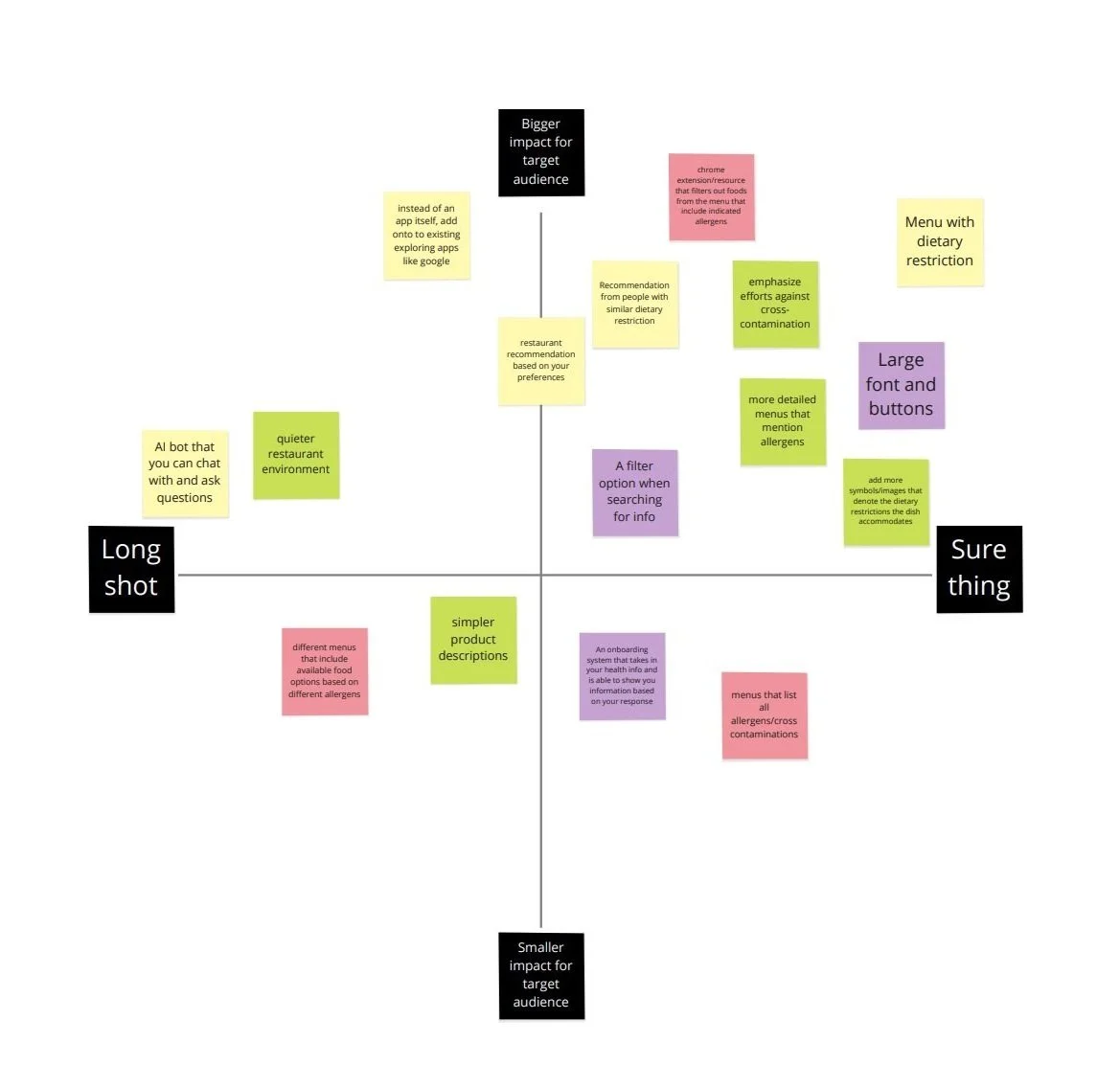
After multiple discussions, we as a group decided that our app must have:
A filtering functionality that allows users to choose certain dietary needs
Menus that list all allergens/cross contaminations
Restaurant recommendations
Other features we considered were:
Factoring in the noise level in a restaurant
An onboarding system that takes into consideration a user’s medical related dietary restrictions when recommending restaurants
We ultimately opted out on the noise level factor for the final version due to the idea that it would hinder the main goal of the app and therefore make the recommendation process more confusing and limited
We also did not include medical related restrictions as we thought that it would be too confusing for older adults to navigate when trying to use the app. We prioritized a simple, straightforward design that older adults could easily learn to use.
Version 1
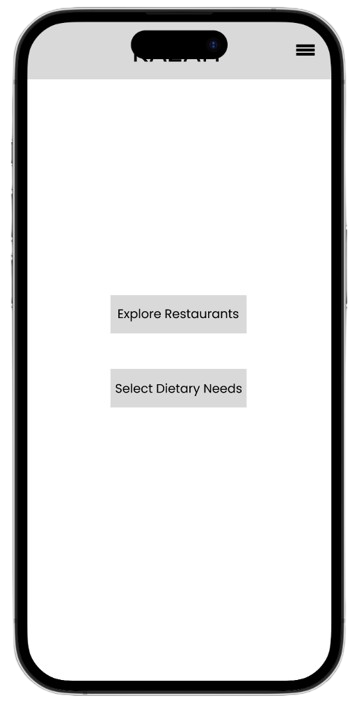
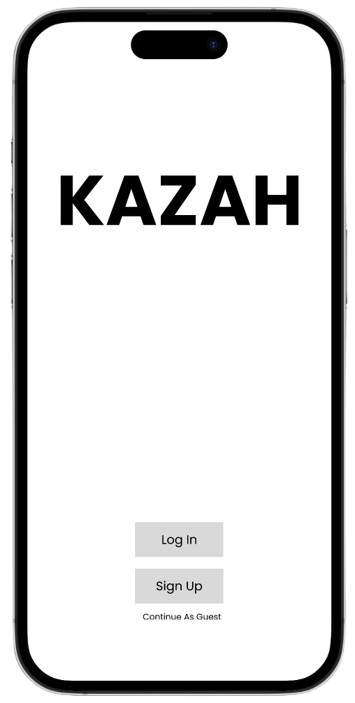
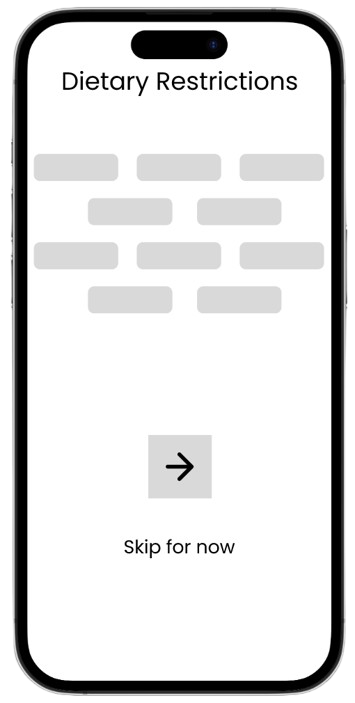
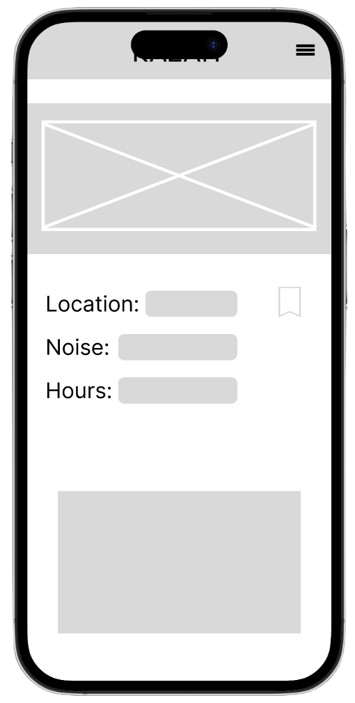
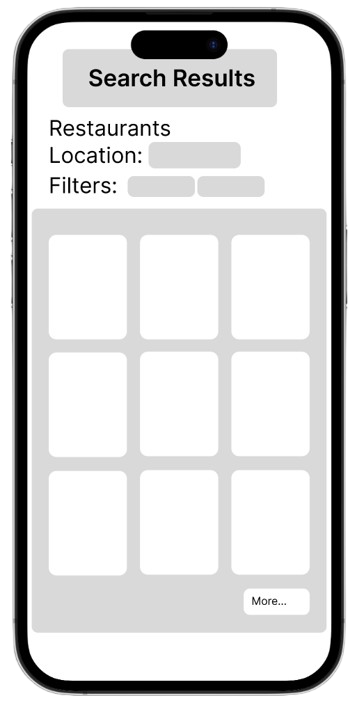
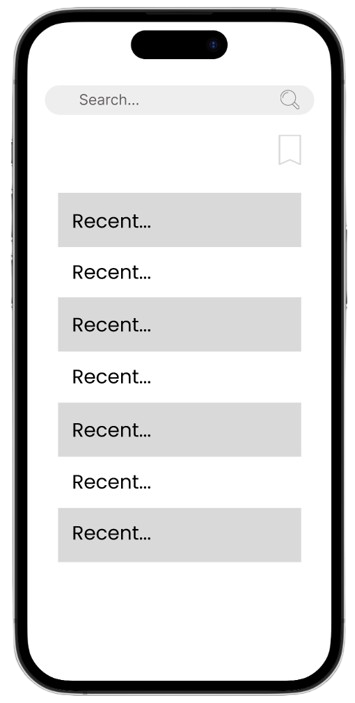
In our low-fidelity prototype, we found that having a designated page to select dietary needs was functional in providing clarity and ease in the user’s experience with the app. However, our Search Results page needed to be redesigned in order to provide more information on the dietary needs and the restaurant itself.
Version 2
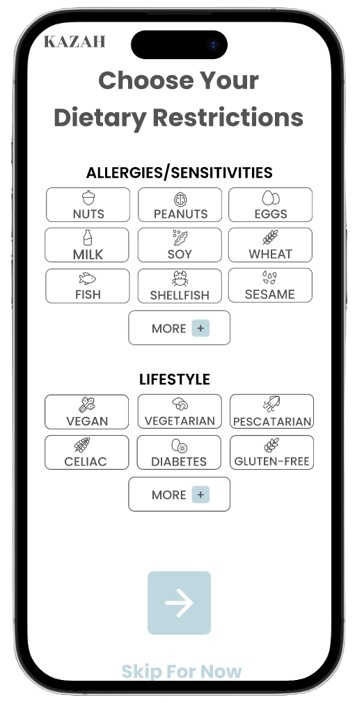
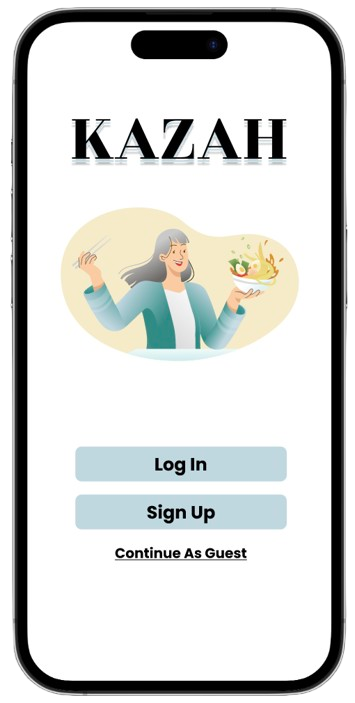
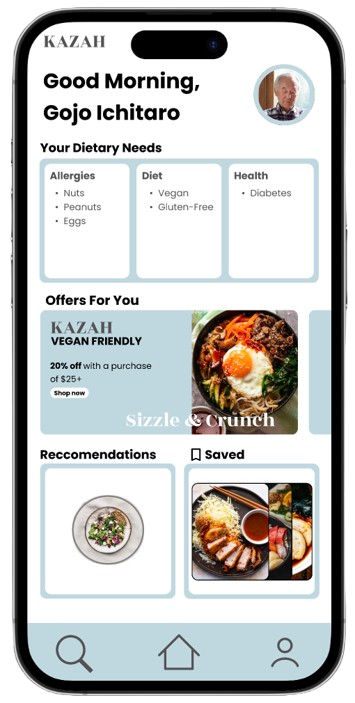
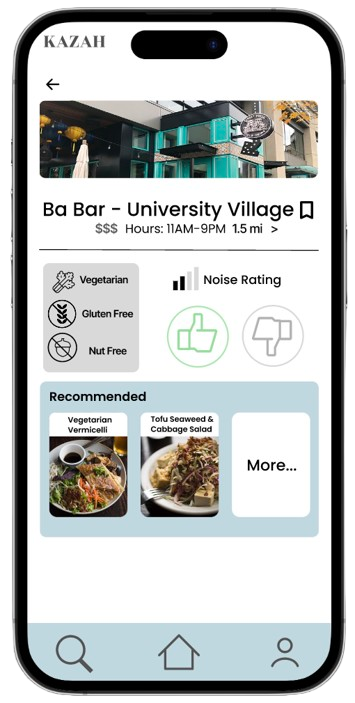
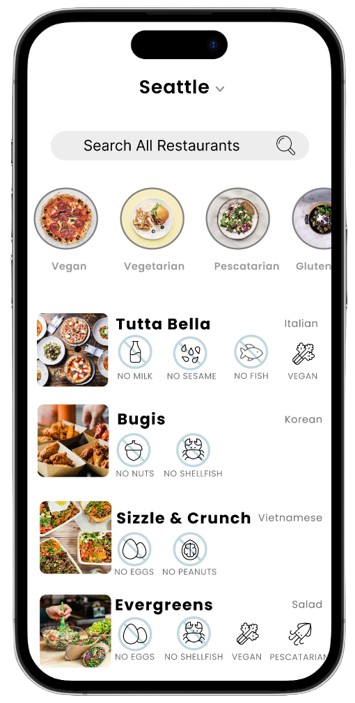
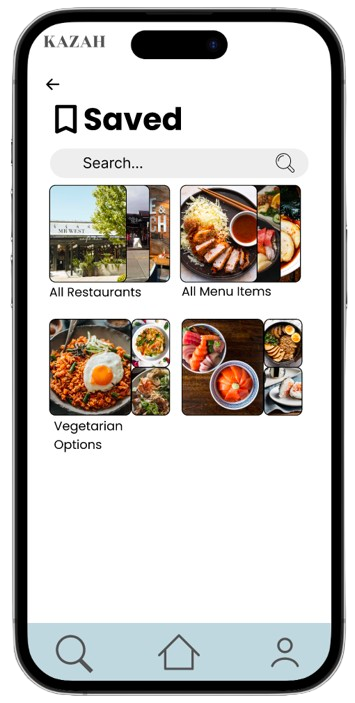
We modified our Search Results page to showcase restaurants along with the dietary restrictions they accommodated. We also included a secondary results page that showcases restaurants that specialize in lifestyle dietary needs.
We included a Bookmarks page to allow users to add restaurants into customized categories, making it easier to look back on and locate their favorite restaurants again.
Final Version
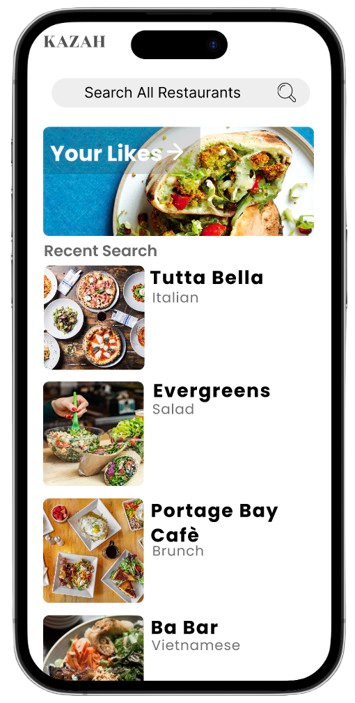
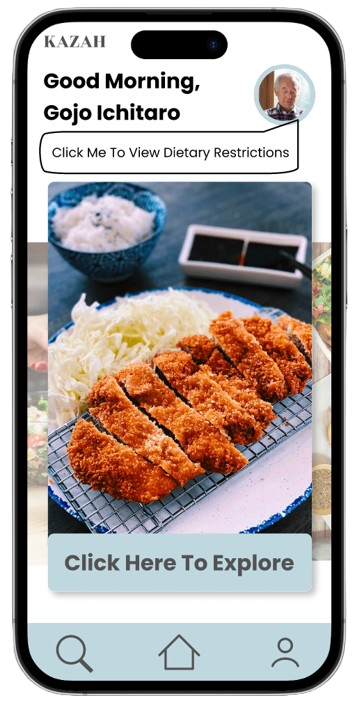
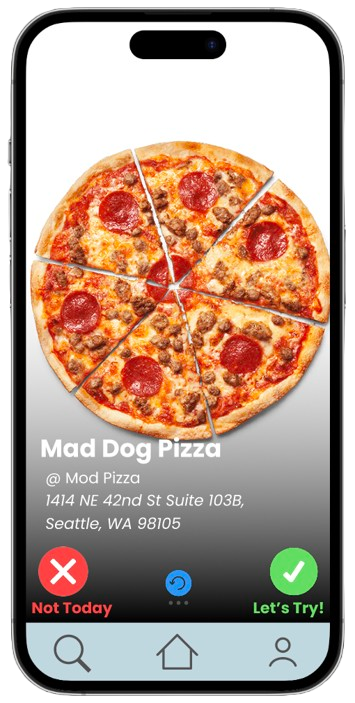
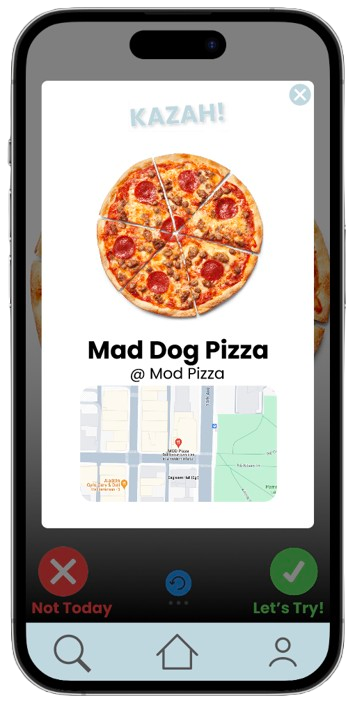
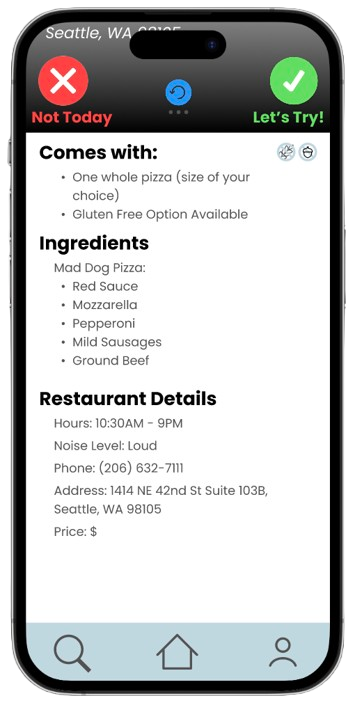
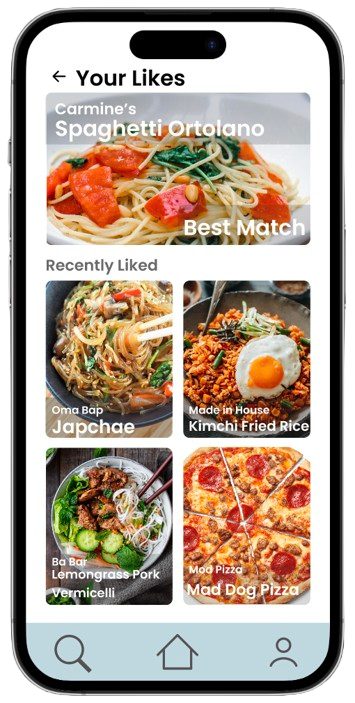
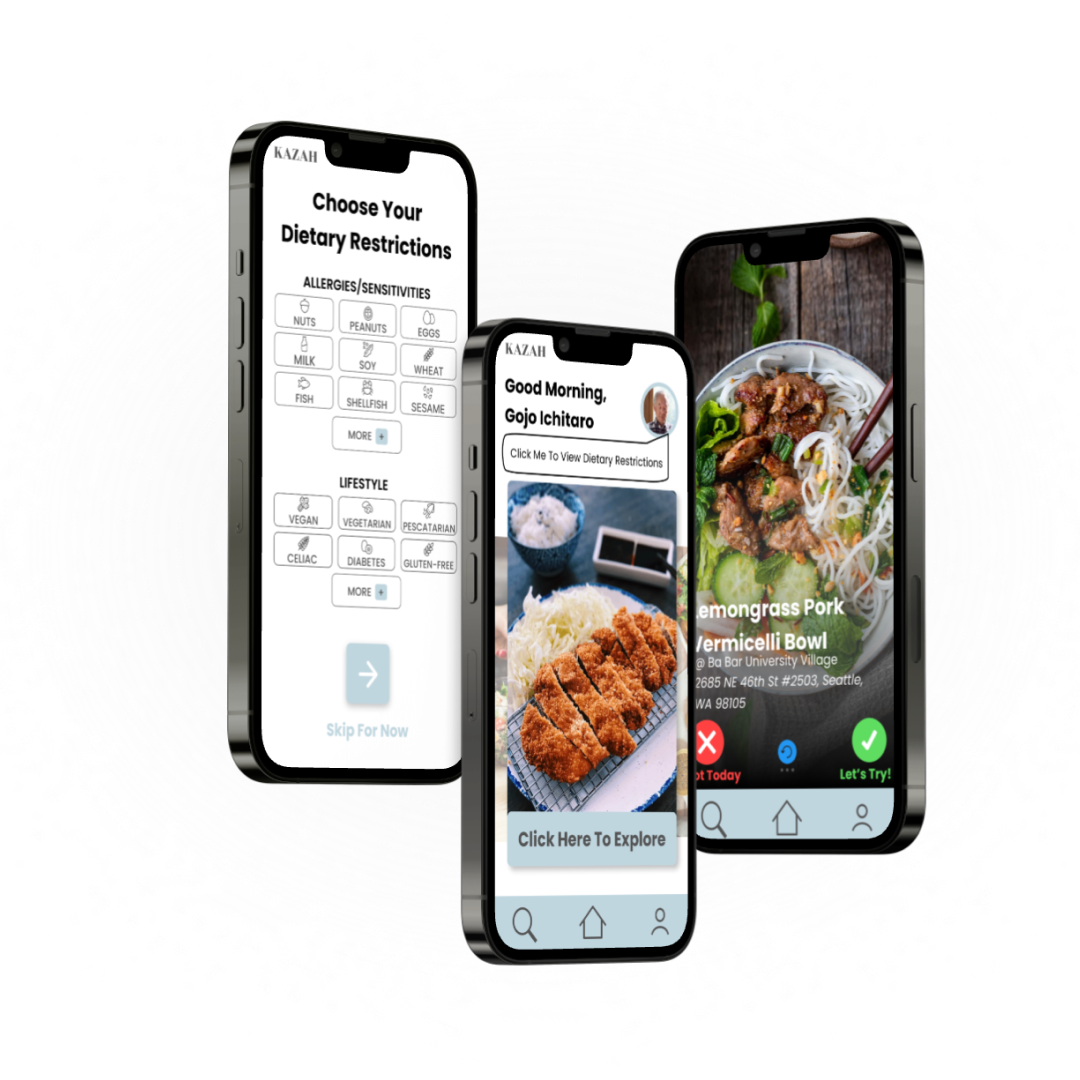
For our final design, we shifted our focus from recommending entire restaurants to curating specific meal options tailored to users' dietary needs. We introduced an interactive swipe feature that allows older adults to quickly approve or dismiss meal recommendations, making the selection process more intuitive and engaging.
To support this, we redesigned the Home Page to prominently display this feature and ensure users can easily access meals that align with their chosen dietary preferences.
By simplifying the interface and prioritizing meal discovery, we created a more personalized and effective way for older adults to find food they love while meeting their dietary restrictions.
Reflection
Given the time constraints and limited resources of this project, gathering a substantial number of user responses was a challenge, which impacted the depth of insights used to inform our design decisions. If I were to continue this project, I would prioritize expanding our user research to a larger and more diverse pool, focusing on key questions such as:
What factors make meal selection easier for older adults?
How do they navigate dietary restrictions when dining out?
What design elements feel most intuitive to them?
Additionally, this project reinforced the importance of simplifying design and ensuring that every feature serves a clear purpose without overwhelming users. With more user feedback, I would refine the interface further, balancing functionality with ease of use to create an even more effective and accessible experience.